

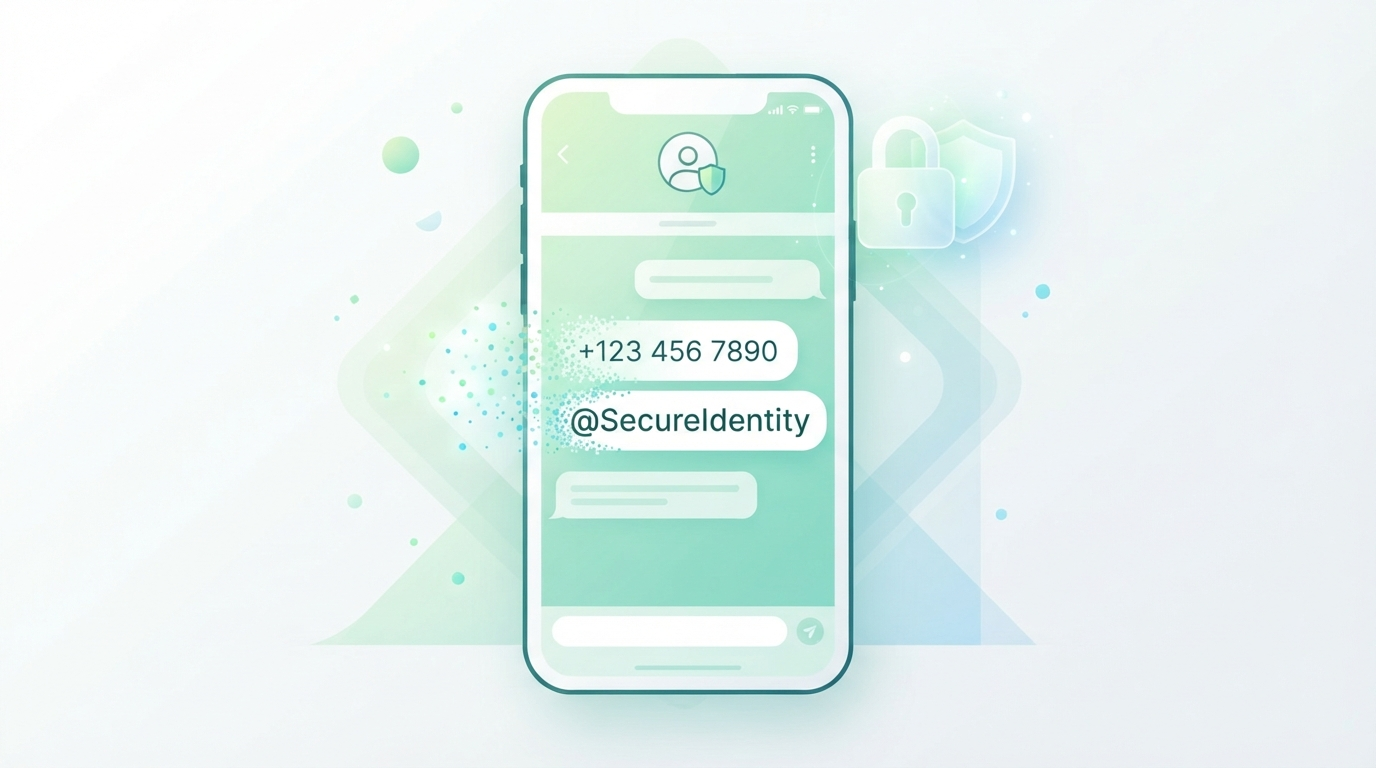
For over a decade, your phone number was your WhatsApp identity. If someone wanted to message you, they needed your digits — no way around it. That’s about to change.
On June 29, 2026, WhatsApp announced what it’s calling its biggest privacy overhaul since launch: users will soon be able to go by a username instead of a phone number. With more than 3 billion people using the app across 180+ countries, this is a change that will touch almost everyone reading this post.
Here’s the full breakdown — what’s changing, why, how it works, and the pros and cons you should know before you jump in.
What Is the New WhatsApp Usernames Feature?
WhatsApp is rolling out optional usernames that let you connect with people without ever sharing your phone number.
- You’ll be able to choose a unique handle (3–35 characters) and decide to be “findable” by that handle only.
- People can start a chat or add you to a group using just your username — no phone number needed.
- The company says there will be no public directory and no autocomplete suggestions for usernames, so someone has to already know your exact handle to reach you the first time.
- Businesses, creators, and organisations that already have Instagram or Facebook handles will get first dibs on claiming the same username on WhatsApp.
- High-profile names (celebrities, public figures, government bodies) will be held back to prevent impersonation.
Importantly, your phone number isn’t going away — you’ll still need one to sign up and use WhatsApp. The number will simply become optional to display to others.
Why Is WhatsApp Introducing Usernames?
WhatsApp’s VP of Product, Alice Newton-Rex, described it as a core privacy feature. The company’s own reasoning is simple: sharing a phone number feels like a big commitment when you’ve just met someone — a classmate, a neighbour, a stranger from an event. A username lets you stay reachable without handing over something as personal (and permanent) as your mobile number.
It’s also a strategic move by Meta, which has faced years of scrutiny over WhatsApp’s data practices, to be seen as leaning further into privacy — something rival apps like Telegram and Signal have long used as a selling point.
How to Reserve Your WhatsApp Username
If you want to grab a handle before someone else does:
- Update to the latest version of WhatsApp on your phone.
- Go to Settings → Account → Username.
- Reserve your handle (this currently only works on mobile — not on WhatsApp Web or Desktop).
WhatsApp hasn’t given an exact rollout date for every country — it says the feature will arrive “gradually” over the coming months, with in-app notifications when it’s live in your region.
Benefits of WhatsApp Usernames
1. Real Privacy Control
You can chat, network, or join communities without ever revealing your number to strangers. This is a big deal for anyone who’s ever had to give their number to a random WhatsApp group, a dating match, or a client and later regretted it.
2. Easier Device and Number Changes
Change your SIM or switch countries and your identity doesn’t have to change with it — people can still find you by the same username.
3. Better for Creators and Businesses
Brands and influencers can publish a clean, memorable handle (instead of a phone number) on their bio, website, or storefront — much like an Instagram or X handle.
4. Built-in Anti-Spam Layers
WhatsApp says it’s capping how many new people any one account can message, blocking repeated username-guessing attempts, and using pattern-detection to catch abuse — on top of an optional “username key” (a short code) that limits who can even find you.
Concerns and Downsides of WhatsApp Usernames
No feature this big rolls out without trade-offs, and this one has already sparked real debate — especially in India, WhatsApp’s largest market with over 500 million users.
1. New Avenues for Impersonation
Entrepreneur Ankur Warikoo called the rollout a potential “disaster” unless WhatsApp enforces strong anti-abuse measures, warning that scammers could register usernames that are slight variations of well-known names to impersonate them and push investment or payment scams.
2. Loss of a Familiar Trust Signal
Warikoo also pointed out that removing phone numbers from first contact strips away a layer of trust many people rely on to quickly verify who they’re talking to — a risk that hits less tech-savvy users hardest.
3. Government Pushback in India
The Indian government has said the username feature “may materially increase the incidence of online fraud, phishing, digital arrest scams and impersonation attacks, by enabling bad actors” to reach victims more easily, and gave Meta a short window to explain the feature or face regulatory action. Authorities have reportedly asked WhatsApp to pause the rollout until these concerns are addressed.
4. Scale Makes the Risk Bigger
Analysts note that WhatsApp’s massive reach combined with usernames means misinformation and impersonation could spread faster, since scammers can now use familiar names and photos to pose as real people.
5. Meta’s Counter-Defence
To be fair, Meta has pushed back, saying a phone number is still required to use WhatsApp at all, and that it has built multiple layers of defence against scams into the username system — including limits on how many new contacts an account can message, blocks on repeated username-guessing, and detection systems for abuse patterns. The company also says it will reserve high-profile names and block lookalike variants of known names to guard against impersonation.
Pros vs. Cons at a Glance
| Pros | Cons |
|---|---|
| No need to share your phone number with strangers | Removes a common way people verify who they’re talking to |
| Easier to stay reachable after changing number/SIM | Opens the door to lookalike-username impersonation scams |
| Cleaner, brandable handles for businesses/creators | Regulatory scrutiny (India has flagged fraud risk) |
| No public directory — you must know the exact handle | Less tech-savvy users may be more vulnerable to scams |
| Anti-spam and anti-abuse systems built in from day one | Rollout is gradual and details vary by country/timeline |
Should You Use WhatsApp Usernames?
If you’re a business, creator, or freelancer, a WhatsApp username is genuinely useful — it lets you put a professional handle on your website or Instagram bio instead of a phone number, the same way you’d share a Twitter/X handle.
If you’re a regular user, it’s a nice-to-have for privacy, but treat it the way you’d treat any new identity feature: be extra cautious about messages from usernames you don’t recognize, especially anything involving money, “digital arrest” threats, or urgent payment requests — these are exactly the scam patterns regulators are worried about.
The Bottom Line
WhatsApp usernames mark a real shift — from “your phone number is your identity” to “you choose how much of yourself to share.” It’s a win for privacy on paper, but like most identity-based features, its real-world safety will depend on how well Meta’s anti-abuse systems hold up once scammers start testing the edges. With India’s government already pushing back before a full rollout, expect this story — and the feature’s final shape — to keep evolving over the next few months.