
Beyond Departments: Forging an AI-Driven Growth Organism for Future Business Success
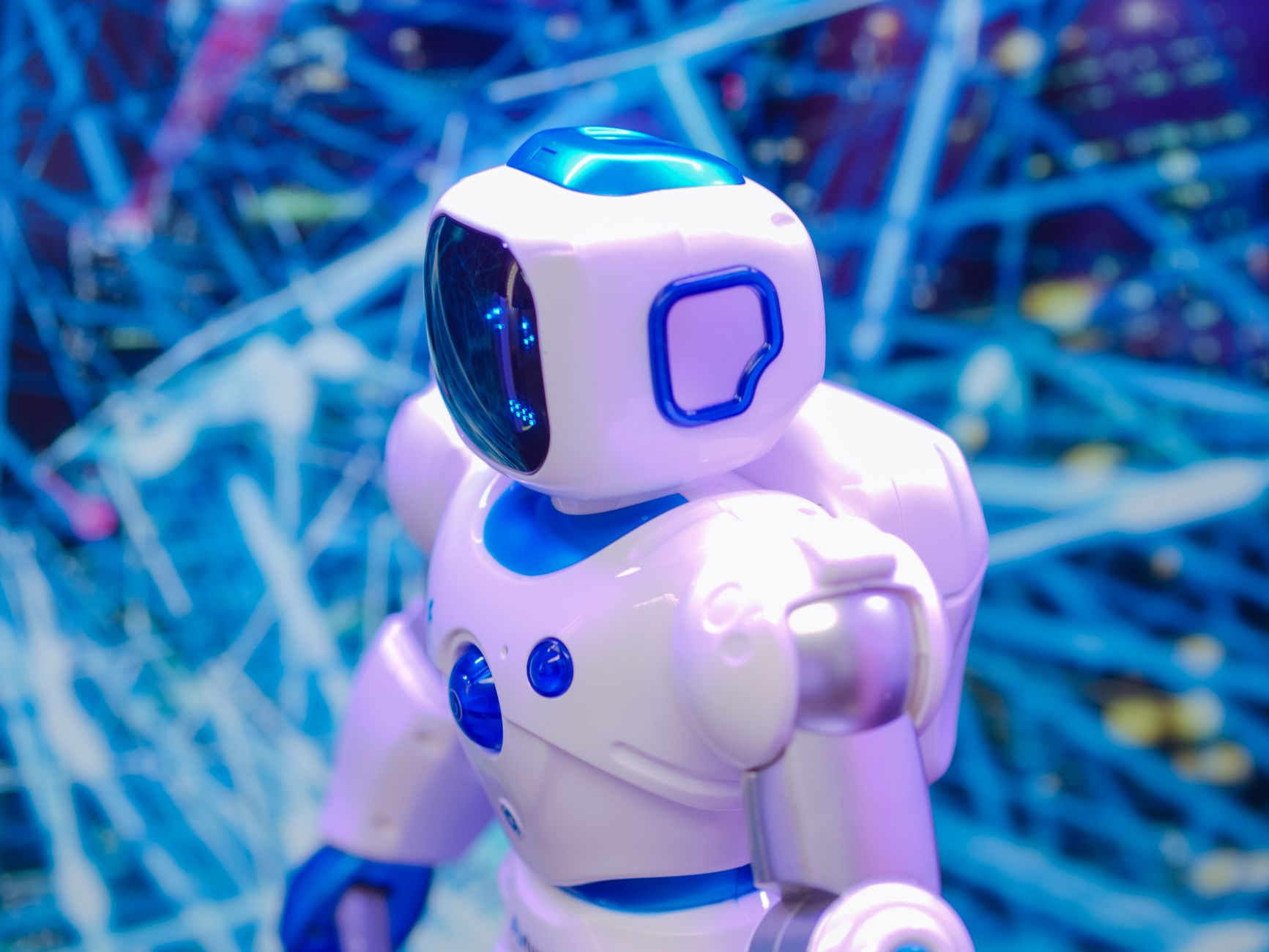
The traditional business landscape, carved into distinct departments like Sales, Marketing, HR, and Product, has long been the norm. But in an era where data is king and speed is paramount, are these silos still serving your business, or are they holding you back? The future isn’t just about adopting AI; it’s about fundamentally reshaping your organization into a fluid, interconnected, AI-driven growth organism.
The Legacy of Silos: A Hindrance to Modern Growth
For decades, departmentalization offered clear lines of accountability and specialization. However, this structure inherently creates silos – isolated pockets of information, differing priorities, and often, conflicting objectives.
The Challenges of Fragmented Operations:
- Data Disconnects: Customer insights gathered by sales might not reach product development, or marketing campaign data might remain isolated from the finance team’s budget analysis.
- Inefficient Workflows: Handoffs between departments become friction points, slowing down processes and increasing operational costs.
- Missed Opportunities: Without a holistic view, businesses struggle to identify emerging trends, personalize customer experiences effectively, or react swiftly to market changes.
- Innovation Bottlenecks: Cross-functional innovation is stifled when teams operate in isolation, lacking a shared understanding of overarching goals and resources.
This fragmentation leads to a business that’s less agile, less responsive, and ultimately, less competitive.
AI: The Catalyst for Organic Unification
Imagine a business where information flows seamlessly, decisions are data-informed in real-time, and every ‘function’ works in perfect concert towards a singular goal: growth. This isn’t science fiction; it’s the promise of an AI-driven growth organism.
How AI Breaks Down Walls:
- Unified Data Ecosystems: AI can ingest and analyze data from every corner of your business – CRM, ERP, marketing platforms, customer service logs – creating a single source of truth.
- Intelligent Automation: Repetitive tasks, data analysis, and even complex decision-making processes can be automated, freeing human talent for strategic initiatives.
- Predictive Insights: AI doesn’t just report what happened; it predicts what will happen, enabling proactive strategy adjustments across all business functions.
- Enhanced Collaboration: By providing shared insights and automating cross-departmental tasks, AI naturally fosters a more collaborative environment.
AI becomes the central nervous system, connecting disparate parts and enabling them to function as one intelligent entity.
From Departments to Interconnected ‘Organs’
Think of your business not as a collection of separate rooms, but as a living organism. Each previous ‘department’ transforms into a vital ‘organ,’ specialized in its function but intrinsically linked to and dependent on the others, all powered by the central AI brain.
Examples of Functional Transformation:
- Marketing as the ‘Sensory Organ’: AI analyzes market trends, customer sentiment, and campaign performance, providing real-time feedback to product and sales.
- Sales as the ‘Circulatory System’: AI optimizes lead scoring, personalizes outreach, and ensures seamless customer journeys, feeding vital revenue back into the system.
- Product as the ‘Growth Engine’: AI informs product roadmaps with customer needs, market gaps, and competitive intelligence, accelerating innovation.
- HR as the ‘Immune System’: AI optimizes talent acquisition, employee engagement, and skills development, ensuring the organism has the right cells to thrive.
This holistic approach ensures that every action, every decision, contributes directly to the overall health and growth of the business.
The Undeniable Benefits of an AI-Driven Growth Organism
Embracing this transformation isn’t just about staying competitive; it’s about unlocking unprecedented levels of efficiency, innovation, and customer satisfaction.
Key Advantages Include:
- Hyper-Personalization at Scale: AI enables bespoke customer experiences across all touchpoints, from marketing messages to product recommendations and support.
- Optimized Resource Allocation: Data-driven insights ensure that investments in marketing, sales, product development, and talent are precisely targeted for maximum ROI.
- Accelerated Innovation Cycle: With faster data feedback loops and automated processes, businesses can prototype, test, and deploy new solutions with unprecedented speed.
- Enhanced Agility & Resilience: An AI-powered organism can detect shifts in the market, customer behavior, or operational bottlenecks almost instantly, allowing for rapid adaptation.
- Superior Customer & Employee Experience: Streamlined operations and personalized interactions lead to happier customers and more engaged employees.
Charting Your Course: Transitioning to an AI-Powered Future
The journey from fragmented departments to a unified AI-driven growth organism requires strategic planning and a commitment to change.
Steps Towards Transformation:
- Data Foundation First: Prioritize unifying your data sources and ensuring data quality. AI is only as good as the data it feeds on.
- Identify High-Impact Areas: Start with pilot projects where AI can deliver significant value quickly, demonstrating its potential and building internal buy-in.
- Invest in AI Literacy: Educate your workforce on AI’s capabilities and how it will augment their roles, not replace them. Foster a culture of continuous learning.
- Redefine Roles and Processes: As AI takes on repetitive tasks, human roles will shift towards strategy, creativity, and complex problem-solving. Re-evaluate workflows accordingly.
- Foster Cross-Functional Collaboration: Actively encourage and reward collaboration across traditional departmental lines, breaking down existing barriers.
This is not merely a technological upgrade; it’s a cultural and organizational evolution.
Conclusion:
The question is no longer ‘if’ your business will adopt AI, but ‘how deeply’ it will integrate it into its very DNA. The businesses that move beyond the limitations of departmental silos and embrace the vision of an AI-driven growth organism will be the ones that thrive, innovate, and dominate the markets of tomorrow. Don’t just implement AI; become AI-powered.
Frequently Asked Questions
What is an ‘AI-driven growth organism’?
An ‘AI-driven growth organism’ is a business model where artificial intelligence acts as the central nervous system, integrating all functions (formerly ‘departments’) into a cohesive, interconnected system. This enables seamless data flow, automated processes, real-time insights, and unified decision-making, all geared towards accelerating overall business growth.
How does AI help break down departmental silos?
AI breaks down silos by creating unified data platforms that ingest information from all business units. It automates cross-functional workflows, provides a single source of truth for insights, and fosters collaborative decision-making based on holistic data, rather than isolated departmental perspectives.
What’s the first step for a traditional business to become an AI-driven growth organism?
The crucial first step is to establish a robust data foundation. This involves unifying disparate data sources, ensuring data quality and accessibility across the organization, and defining a clear data strategy. Without clean, integrated data, AI cannot effectively power the transformation.