
The AI Developer: Navigating the Future of Generative AI Development in Web and Mobile Apps
The digital landscape is constantly evolving, and at its forefront is a revolutionary force: Generative AI. This isn’t just another tech trend; it’s a paradigm shift that’s fundamentally altering how developers build web and mobile applications. For the ‘AI developer’ of today and tomorrow, understanding and leveraging Generative AI isn’t an option – it’s a necessity for staying competitive and innovative.
What is Generative AI and Why Does it Matter for Developers?
Defining Generative AI in Development
Generative AI refers to artificial intelligence systems capable of creating new content, ideas, or data that are original and realistic. Unlike traditional AI that primarily analyzes or predicts, generative models like Large Language Models (LLMs) and diffusion models can produce text, images, code, designs, and even entire software components from simple prompts. For developers, this means moving beyond manual coding and design to a more assisted, accelerated, and intelligent development process.
Key Capabilities Reshaping the Dev Landscape
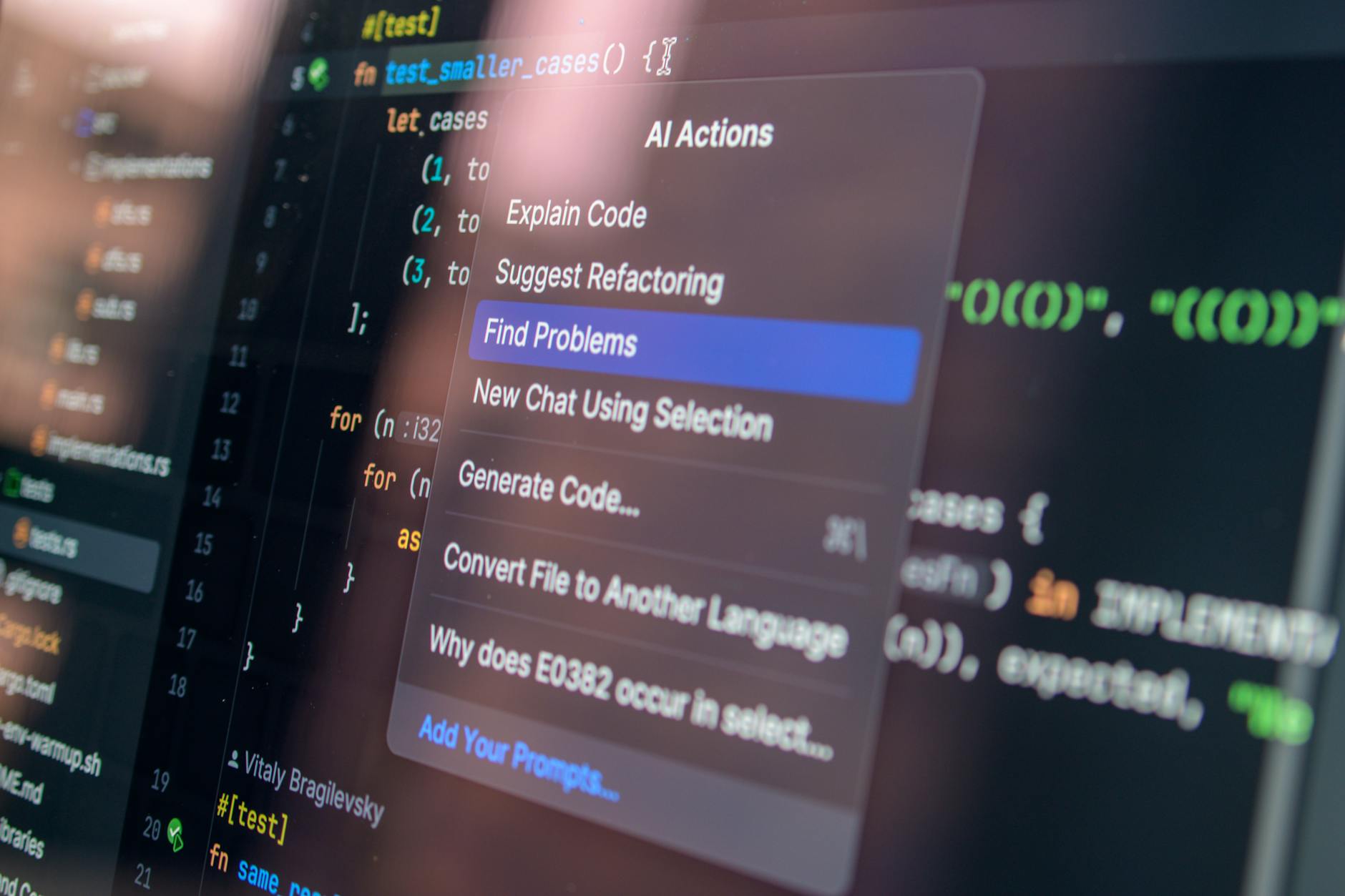
- Automated Code Generation: Writing boilerplate code, functions, scripts, and even complex algorithms.
- Design Prototyping: Generating UI/UX layouts, wireframes, and design elements based on descriptions.
- Content Creation: Crafting dynamic text for apps, documentation, or marketing copy.
- Data Synthesis: Creating realistic synthetic data for testing and training AI models.
Generative AI’s Impact on Web Development
Front-end Revolution: UI/UX Design and Component Generation
Web developers are witnessing a dramatic acceleration in front-end development. Generative AI can take natural language descriptions or simple sketches and output production-ready HTML, CSS, JavaScript, and even React or Vue components. This dramatically speeds up prototyping, A/B testing design variations, and ensures consistent design systems. Imagine an AI generating an entire responsive landing page based on a few prompts about its purpose and target audience.
Back-end Evolution: API Generation and Boilerplate Code
On the back-end, Generative AI assists with tasks like creating API endpoints, generating database schemas (e.g., SQL, NoSQL), and writing server-side logic in languages like Python or Node.js. It can even suggest optimizations for performance and security, reducing the time spent on repetitive coding tasks and allowing developers to focus on complex business logic and architectural design.
Generative AI’s Impact on Mobile App Development
Cross-Platform Code Generation and Native Features
Mobile app developers can leverage Generative AI to produce code for both iOS (Swift/Objective-C) and Android (Kotlin/Java) platforms. This extends to generating UI components specific to each operating system’s design guidelines, integrating native features like camera access or location services, and even suggesting platform-specific optimizations, all from a unified input.
Personalized User Experiences and Automated Testing
Generative AI can power highly personalized user experiences by dynamically generating content, layouts, or recommendations based on user behavior and preferences. Furthermore, it excels at creating comprehensive test cases, identifying edge scenarios, and even generating synthetic user interactions to rigorously test mobile applications, significantly improving app quality and reducing manual testing efforts.
Key Benefits for AI Developers and Teams
Increased Speed and Efficiency
The most immediate benefit is the ability to complete projects faster. By automating code generation, design iterations, and testing, development cycles are compressed, allowing teams to deliver features and products to market much quicker.
Enhanced Creativity and Innovation
Free from mundane tasks, developers can dedicate more time to innovative problem-solving, architectural design, and exploring novel features. Generative AI can also act as a brainstorming partner, suggesting creative solutions or design alternatives that might not have been considered.
Reduced Technical Debt and Errors
AI-generated code often adheres to best practices and coding standards, leading to cleaner, more maintainable codebases. Automated testing and debugging capabilities also help catch errors earlier, reducing technical debt over time.
Lower Barrier to Entry
Generative AI tools can democratize development, allowing individuals with less coding experience to build functional applications by translating natural language into code, fostering a new generation of ‘citizen developers’.
Challenges and Considerations
Ethical AI and Bias
Generative AI models can inherit biases from their training data, leading to potentially unfair or discriminatory outputs in code or design. Developers must critically evaluate AI-generated content and implement ethical guidelines to mitigate bias.
Integration Complexity
Integrating Generative AI tools seamlessly into existing development workflows and toolchains can be complex, requiring careful planning and adaptation.
Data Security and Privacy
When using AI models, especially cloud-based ones, developers must be acutely aware of data security and privacy implications, ensuring sensitive project data is handled appropriately.
The Need for Human Oversight
Despite its capabilities, Generative AI is a tool, not a replacement for human intellect. Human developers remain crucial for strategic decision-making, quality assurance, creative direction, and understanding complex user needs.
The Future AI Developer: Adapt or Be Left Behind
Upskilling for AI-Driven Workflows
The role of the AI developer is shifting. Success in this new era requires understanding how to effectively prompt AI, validate its output, integrate its contributions, and manage AI models. Skills in prompt engineering, AI ethics, and data governance will become increasingly valuable.
Focusing on Higher-Order Problems
As AI handles the repetitive, developers can elevate their focus to higher-order problems: complex system architecture, innovative user experiences, solving challenging business problems, and ensuring the ethical deployment of technology. The AI developer becomes less of a coder and more of a conductor of intelligent systems.
Generative AI isn’t just a helper; it’s a transformative force that is fundamentally redefining web and mobile app development. By embracing these powerful tools, AI developers can unlock unprecedented levels of productivity, creativity, and innovation, shaping the digital products of tomorrow.
Frequently Asked Questions
How is Generative AI different from traditional AI in app development?
Traditional AI often focuses on pattern recognition, prediction, and automation of predefined tasks (e.g., recommendation engines, chatbots with fixed scripts). Generative AI, on the other hand, actively creates new, original content – be it code, designs, or text – from scratch based on prompts, acting as a proactive development partner rather than just an analytical one.
Will Generative AI replace human developers entirely?
No, Generative AI is an augmentation tool, not a replacement. It automates repetitive and mundane coding tasks, generates design ideas, and assists with testing, thereby enhancing developer productivity and creativity. Human developers remain essential for strategic thinking, complex problem-solving, ethical oversight, ensuring quality, and understanding nuanced user requirements that AI cannot fully grasp.
What are the biggest challenges in integrating Generative AI into existing development workflows?
Key challenges include ensuring the quality, security, and maintainability of AI-generated code, managing potential biases and hallucinations in AI outputs, integrating new AI tools with existing legacy systems and CI/CD pipelines, and upskilling development teams to effectively leverage these advanced capabilities while maintaining human oversight and ethical considerations.