
The AI-Powered Dev Team: How Generative AI is Revolutionizing Custom Software Development
In the rapidly evolving landscape of technology, innovation isn’t just about creating new tools – it’s about fundamentally transforming how we create. For custom software development, this transformation is spearheaded by generative AI. No longer confined to science fiction, AI is now an indispensable co-pilot, collaborator, and even creator in the development process, fundamentally reshaping every stage from conception to deployment.
The Dawn of the AI-Powered Dev Team
Gone are the days when AI was merely a fancy add-on. Today, an ‘AI-powered dev team’ signifies a synergistic blend of human ingenuity and artificial intelligence, leveraging tools that can generate code, predict bugs, automate tests, and even craft design elements. This isn’t about replacing developers but empowering them, freeing them from repetitive tasks, and amplifying their creative potential. It’s about building better software, faster, and with greater innovation.
Key Ways Generative AI is Revolutionizing Software Development
Accelerated Code Generation and Completion
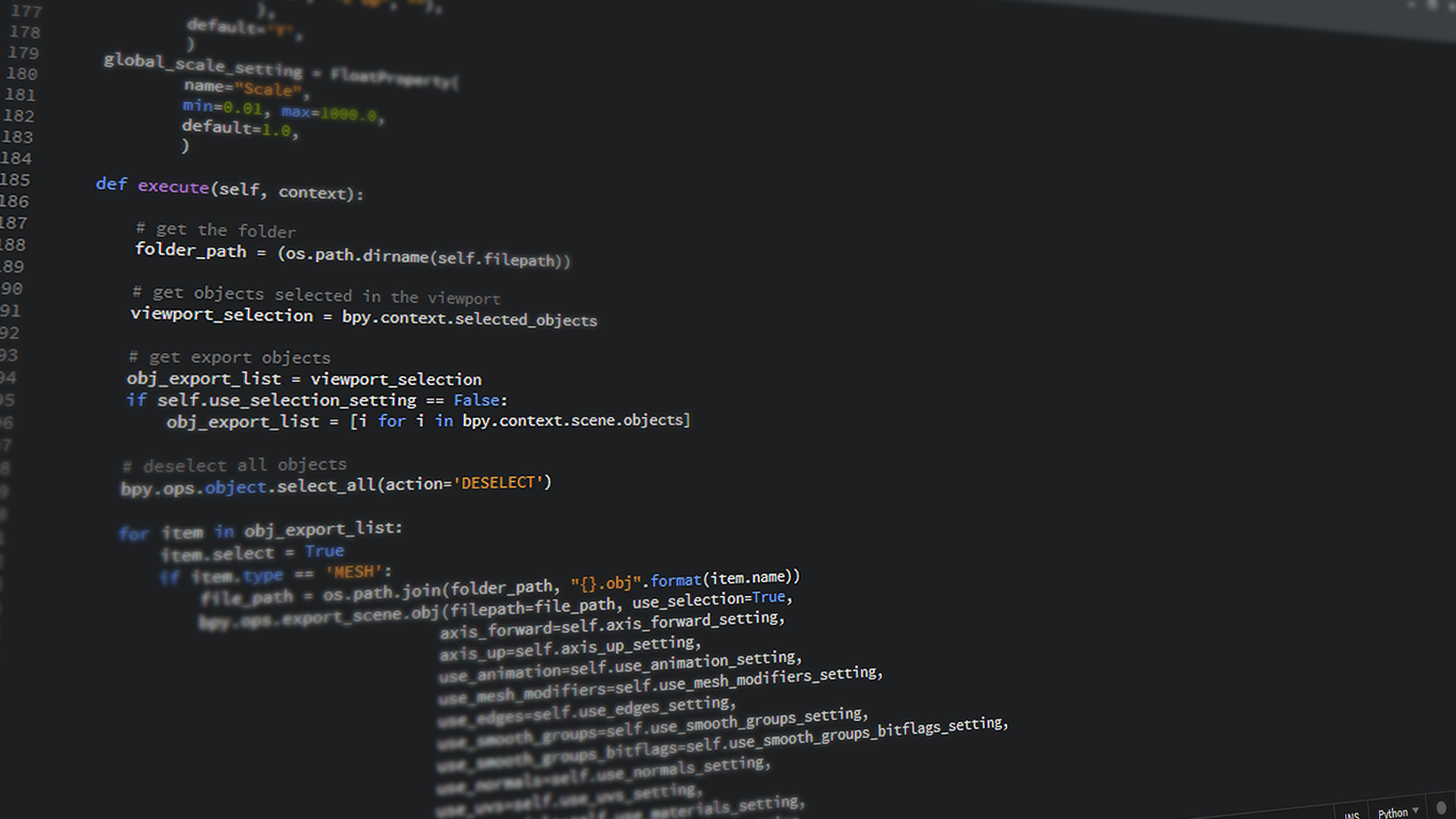
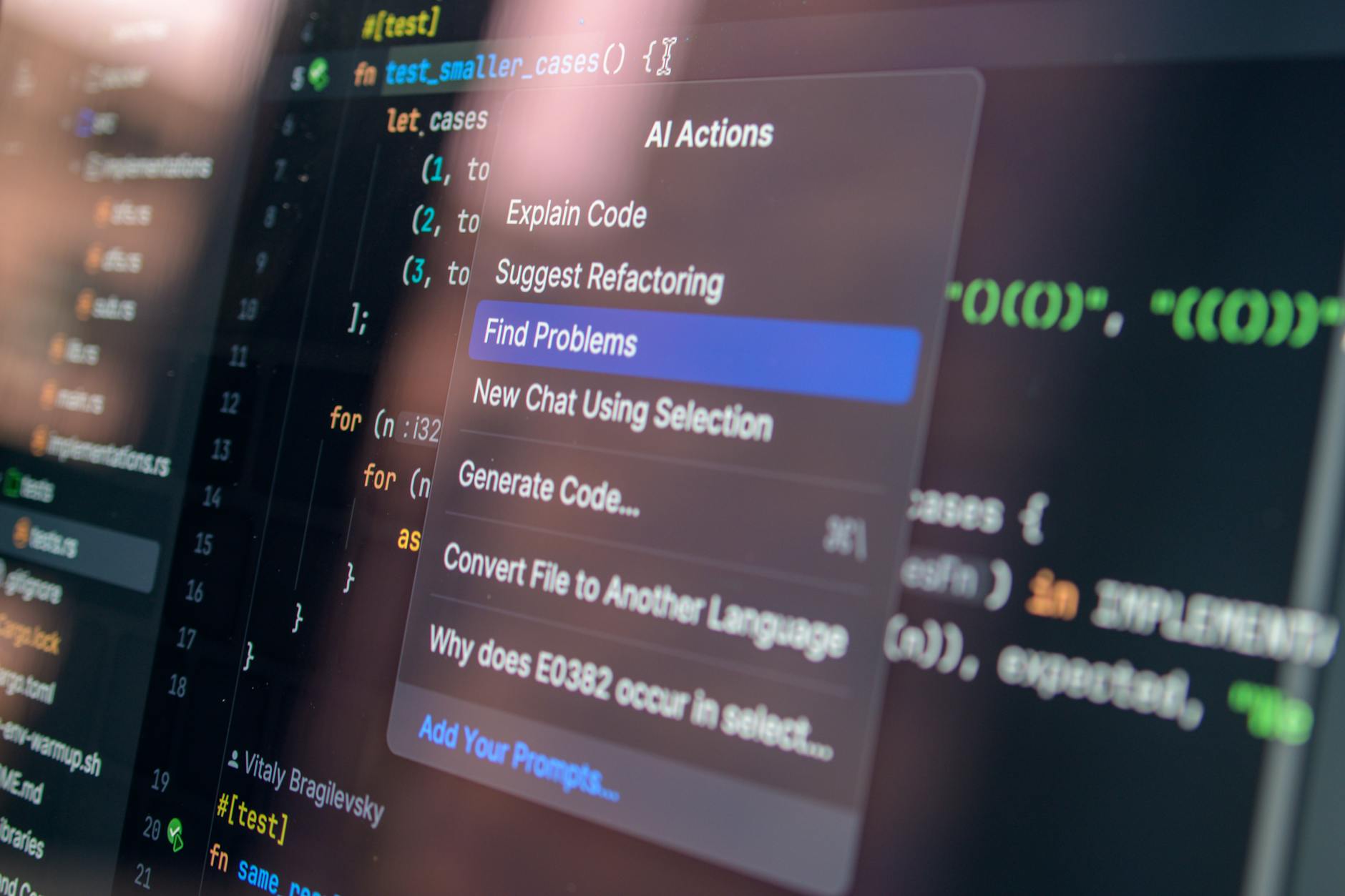
Perhaps the most visible impact of generative AI is its ability to write and complete code. Tools like GitHub Copilot and Amazon CodeWhisperer suggest entire lines or blocks of code based on context, natural language prompts, or existing codebases. This dramatically speeds up development cycles, reduces boilerplate code, and allows developers to focus on complex problem-solving rather than syntax.
Intelligent Bug Detection and Debugging
Finding and fixing bugs is notoriously time-consuming. Generative AI algorithms can analyze vast amounts of code, identify common error patterns, and even suggest potential fixes before the code ever reaches a compiler. This proactive approach significantly reduces debugging time and improves code quality from the outset.
Automated Testing and Quality Assurance
AI can generate comprehensive test cases, simulate various user scenarios, and even write unit tests based on function descriptions. This automates a significant portion of the QA process, ensuring more thorough testing, faster feedback loops, and ultimately, more robust and reliable software.
Streamlined Documentation and Knowledge Management
Effective documentation is crucial but often overlooked. Generative AI can automatically summarize code functions, create API documentation, generate user manuals, and even answer specific queries about a project’s codebase. This ensures that knowledge is accessible, up-to-date, and consistently maintained.
Enhanced Design and UI/UX Prototyping
From generating initial wireframes based on textual descriptions to suggesting design elements and optimizing user flows, generative AI is transforming UI/UX. It can analyze user behavior patterns to recommend improvements, create diverse design variations, and accelerate the prototyping phase, leading to more intuitive and engaging user experiences.
Personalized Learning and Skill Development for Developers
Generative AI can act as a personalized tutor, offering tailored learning paths, explaining complex concepts, and providing instant feedback on code. This continuous learning environment helps developers stay updated with new technologies and refine their skills more effectively.
The Benefits: Why Embrace Generative AI in Your Dev Workflow?
The advantages of integrating generative AI into custom software development are manifold:
- Increased Efficiency and Speed: Automate repetitive tasks, accelerate coding, and shrink development timelines.
- Reduced Costs: By boosting efficiency and reducing errors, teams can deliver more with existing resources.
- Higher Code Quality: AI-assisted bug detection, testing, and best practice suggestions lead to cleaner, more maintainable code.
- Greater Innovation and Creativity: Freeing developers from mundane tasks allows them to focus on novel solutions and complex architectural challenges.
- Improved Developer Experience: Less frustration, more focus on interesting problems, and continuous learning foster a more engaging work environment.
Overcoming Challenges and Best Practices
While the promise of generative AI is immense, its adoption isn’t without challenges. Concerns about data privacy, security, potential biases in generated code, and the need for human oversight are paramount.
Best practices include:
- Start Small: Begin with integrating AI tools for specific, well-defined tasks.
- Maintain Human Oversight: AI is a co-pilot, not an autonomous driver. Critical review by human developers remains essential.
- Upskill Your Team: Train developers to effectively use and critically evaluate AI-generated outputs.
- Focus on Collaboration: View AI as a tool that enhances team collaboration and productivity.
The future of custom software development is intelligent, agile, and undeniably AI-powered. By embracing generative AI, dev teams can unlock unprecedented levels of productivity, innovation, and quality, delivering solutions that were once considered impossible. The revolution isn’t coming; it’s already here, building the next generation of software, one AI-assisted line of code at a time.
Frequently Asked Questions (FAQs)
Is generative AI replacing human developers?
No, generative AI is not replacing human developers but rather augmenting their capabilities. It handles repetitive, mundane, and high-volume tasks, allowing human developers to focus on higher-level problem-solving, creative design, critical thinking, and complex architectural decisions. AI acts as a powerful assistant, not a replacement.
What are the main benefits of using generative AI in software development?
The primary benefits include significantly increased development speed and efficiency, reduced costs due to automation, improved code quality through intelligent bug detection and automated testing, greater innovation by freeing up developer time for complex challenges, and enhanced developer experience by reducing tedious work.
How can my team start integrating generative AI tools?
Begin by identifying specific areas where repetitive tasks or bottlenecks exist, such as boilerplate code generation, initial test case creation, or documentation. Start with well-established tools like AI code assistants (e.g., GitHub Copilot) and integrate them gradually. Crucially, train your team on how to effectively use these tools, emphasizing critical evaluation and human oversight of AI-generated content.